A first painting often begins with a simple experience: you see a work, leave it, and find yourself thinking about it again. Turning that interest into a purchase requires a few practical conversations. You can approach them clearly, even if you have never collected original art before.
Start with the painting and the place it could have in your life. Then establish what the object is, what it costs to bring it home, and what documentation accompanies it. A thoughtful inquiry gives both you and the studio something concrete to work with.
Choose a small shortlist
Save three or four works and revisit them on different days. Write down what draws you to each: the color, the scale, a particular figure, or the way the composition holds your attention. Comparing a small group helps you distinguish a lasting interest from a brief reaction to a photograph.
Use the artist’s wider body of work for context. A painting may become more interesting beside another from the same year or series. Joe Taveras’s artwork pages connect to related works, while the series pages offer a broader view of particular periods of the practice.
Confirm exactly what you are considering
Ask whether the work is an original painting, a work on paper, or an edition, and confirm its title, year, materials, support, and dimensions. If it is an edition, ask about the edition size and the specific example. Confirm availability directly; a page or saved image can remain online after a work leaves the studio.
Request a full image, detail photographs, and a view of the edges or reverse where relevant. Ask about current condition and any framing. A frame in a photograph should prompt a question about what is included. If you cannot view the painting in person, ask which additional photographs or viewing options the studio can provide.
Measure before making the decision
Mark the proposed dimensions on your wall with removable paper or another surface-safe method. Stand where you would usually see the work: from a chair, a doorway, or across the room. Check how the painting relates to furniture and how much space surrounds it. Confirm the orientation and any additional frame dimensions with the studio.
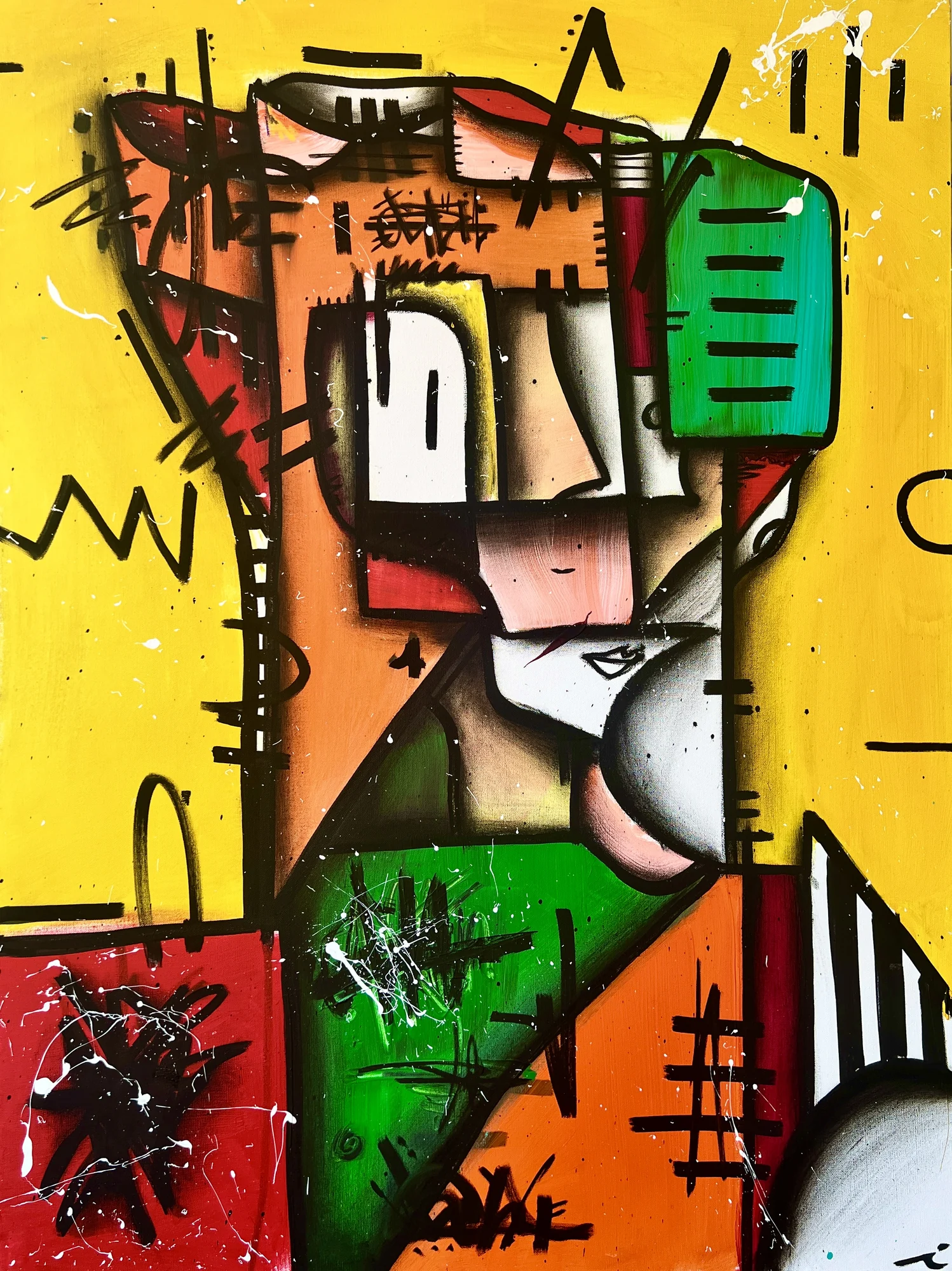
BOT34 is recorded at 36 × 48 inches; Oceanside at 24 × 36 inches. They can look similarly sized on a website, although their physical presence will differ. Use the dimensions of the actual work, rather than the size of its thumbnail, to guide this part of the decision.
Ask for the complete acquisition details
Request the artwork price and an itemized account of any framing, packing, transport, insurance, installation, or applicable taxes. Include your destination city and country so the studio can respond usefully. Confirm payment arrangements and any relevant terms in writing before committing.
Ask which documentation accompanies the painting: an invoice, identifying artwork details, and any available authenticity or provenance records. Keep these together with correspondence and photographs. Documentation should describe the work you are acquiring, rather than leave you to reconstruct the details later.
A useful first inquiry
A message can be straightforward: ‘I’m interested in BOT34. Could you confirm its availability, price, condition, and whether framing is included? I’m based in [city, country] and would appreciate detail photographs and information about delivery and documentation.’
The studio’s artwork forms include the painting title automatically. You can begin with the work that interests you and take the remaining decisions one at a time. The aim is a painting you want to live with, acquired with a clear understanding of the object and the arrangements.